Learn how to be a traveller, not a tourist. Slow down, immerse yourself in local culture and experience destinations more deeply with intentional travel.
7 minute read
“If I visit another country, doesn’t that make me a tourist?” is a fair question to ask.
Having travelled to many countries around the world, I’ve discovered what it truly feels like to be a traveller, rather than a tourist.
So what makes the difference?
For me, it’s about slowing down long enough to be present in a moment and immersing myself fully in the culture and land I’m visiting.
Rather than approaching time abroad as a means to an end, with top sights to see simply for the sake of checking them off a list, allowing ourselves to experience what makes each place unique truly is where the difference lies.
At Epona Travel Co, my travel philosophy is all about curiosity, cultural appreciation, education, connection, and a deep respect for the places we visit. I take this approach in every trip I create for myself and for my clients, to ensure everyone gets the most out of their time travelling.
So I’ll begin with one question: What if we focused less on how much we could fit into a trip and more on how much we could gain from being fully present?
Making Room for Meaningful Experiences
Like with most things in life, leading with intentionality makes all the difference, and travel is no exception. With luxury travel, we’re often given the freedom to slow down and truly take it all in. Instead of rushing from one destination to the next to try to squeeze in every attraction or sight, I like to consider how much more we gain from a place when we slow down long enough to truly experience it.
We’re often encouraged to do more in life, and in North America, “hustle culture” has become far more prevalent. While I agree that working hard is important, so is slowing down long enough to enjoy the fruits of our labour.
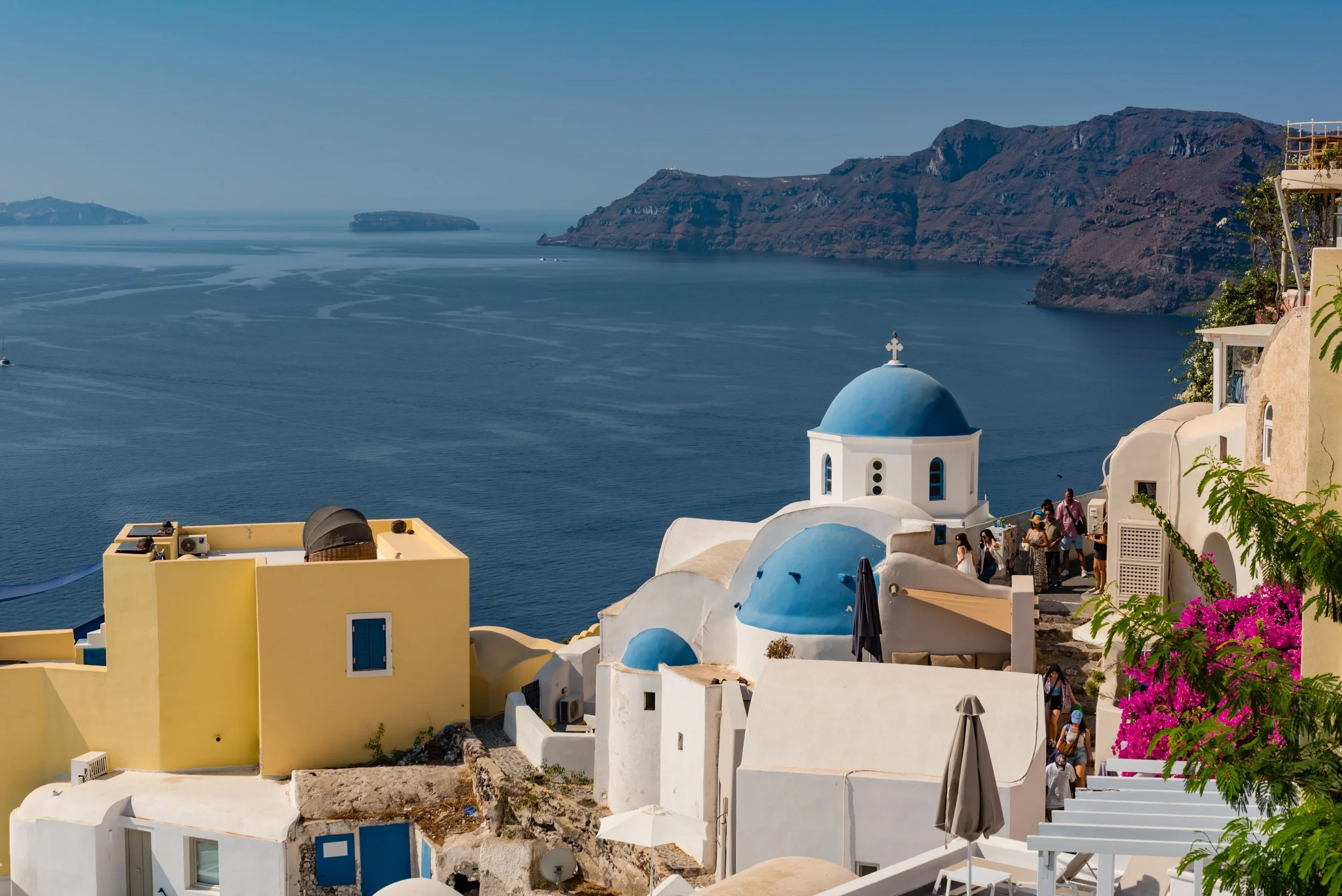
When it comes to travelling, many people assume that the way to experience a destination is to make sure they see everything they possibly can. But seeing a place and truly experiencing it are two very different things. It’s the difference between going to Athens and seeing the Parthenon just long enough to take pictures of the landmark to share with others, and dedicating an entire day to it. The difference lies in the mindfulness of slowing down: exploring the Acropolis on a guided tour, talking with locals at a nearby taverna, tasting authentic Greek cuisine, and staying long enough to absorb the land's rich history and culture.
The goal isn’t just to see the places we hear about, but to experience what we do see, more deeply.
Experiencing a Culture Fully
Everywhere we travel has its own history, geography, traditions, food, architecture, and people. Taking the time to experience these elements can offer an entirely different perspective on the places we visit.
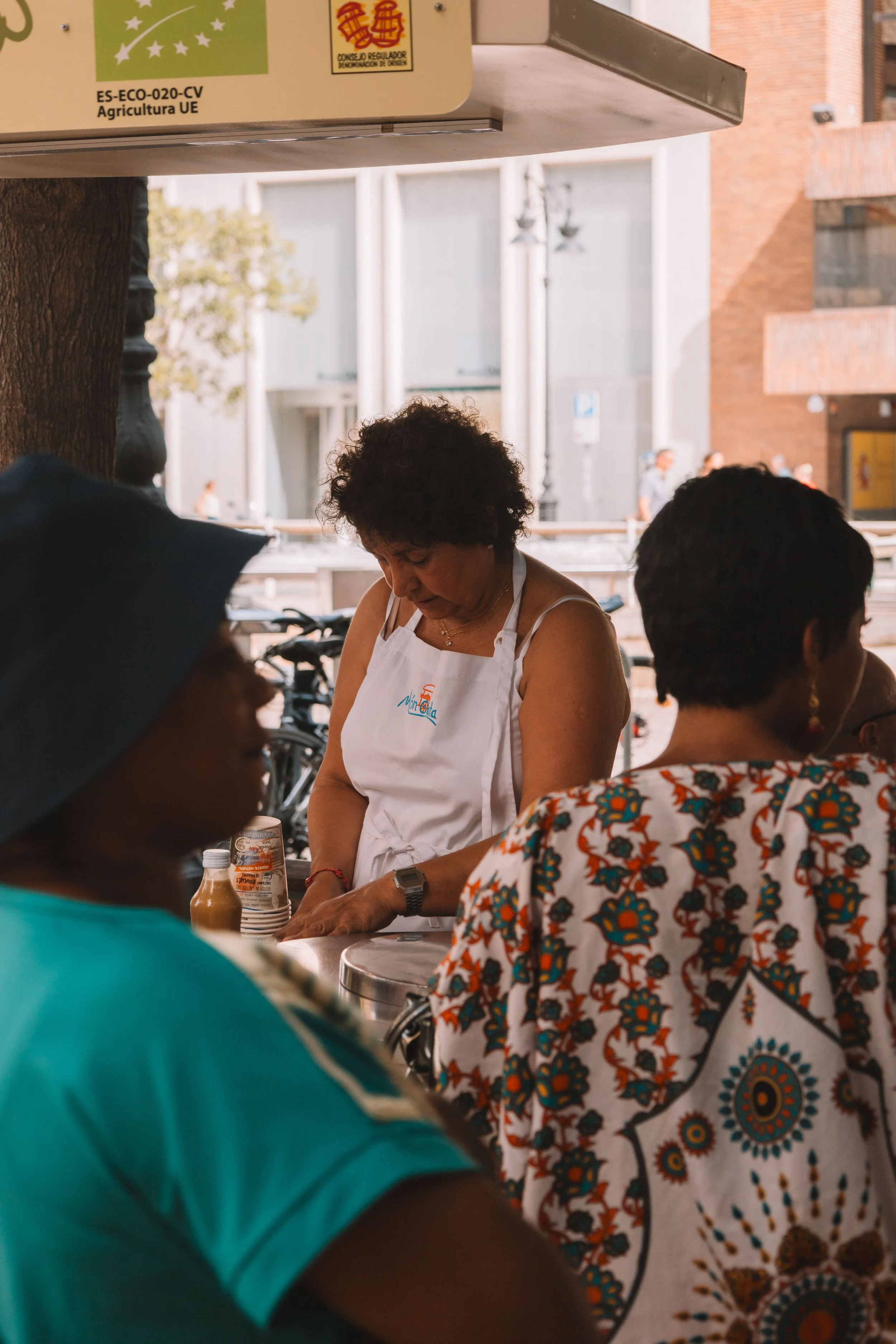
For me, a large part of experiencing a place’s culture is through food, as local cuisine tells us so much about the history, climate and way of life. From visiting a traditional market in Marrakech to learning to prepare regional dishes in an Italian farmhouse, food offers a way to connect with a culture through something we all share. And for many cultures, food is a language of love, connection and storytelling.
Rather than making reservations at restaurants designed for tourists, consider dining where the locals do, taking a cooking class, or enjoying a meal with a family who can share the stories and traditions behind what’s being served.
History and art are other facets of travel that provide a glimpse into what a destination’s culture is really like. For example, a visit to an ancient archaeological site becomes much more meaningful when someone who knows its significance and the events that shaped its place in history accompanies you. Similarly, exploring a city’s architecture, galleries and cultural institutions can reveal the influences that continue to shape its identity today.
As someone who spent many years as an elementary school teacher before launching Epona Travel Co, education is one of the most significant parts of travel for me. I have a deep passion for learning more about the destinations I travel to, and that curiosity continues when I build custom itineraries for my clients, too. And I like to think that trait (being curious about the world around us) is a beautiful way to approach travel.
What Cultural Immersion Looks Like Around the World
One of the most exciting things about travel is that no two destinations will ever offer the same experiences. Here are a few examples of what it can look like to visit different countries with the intentionality of being a traveller, rather than a tourist.
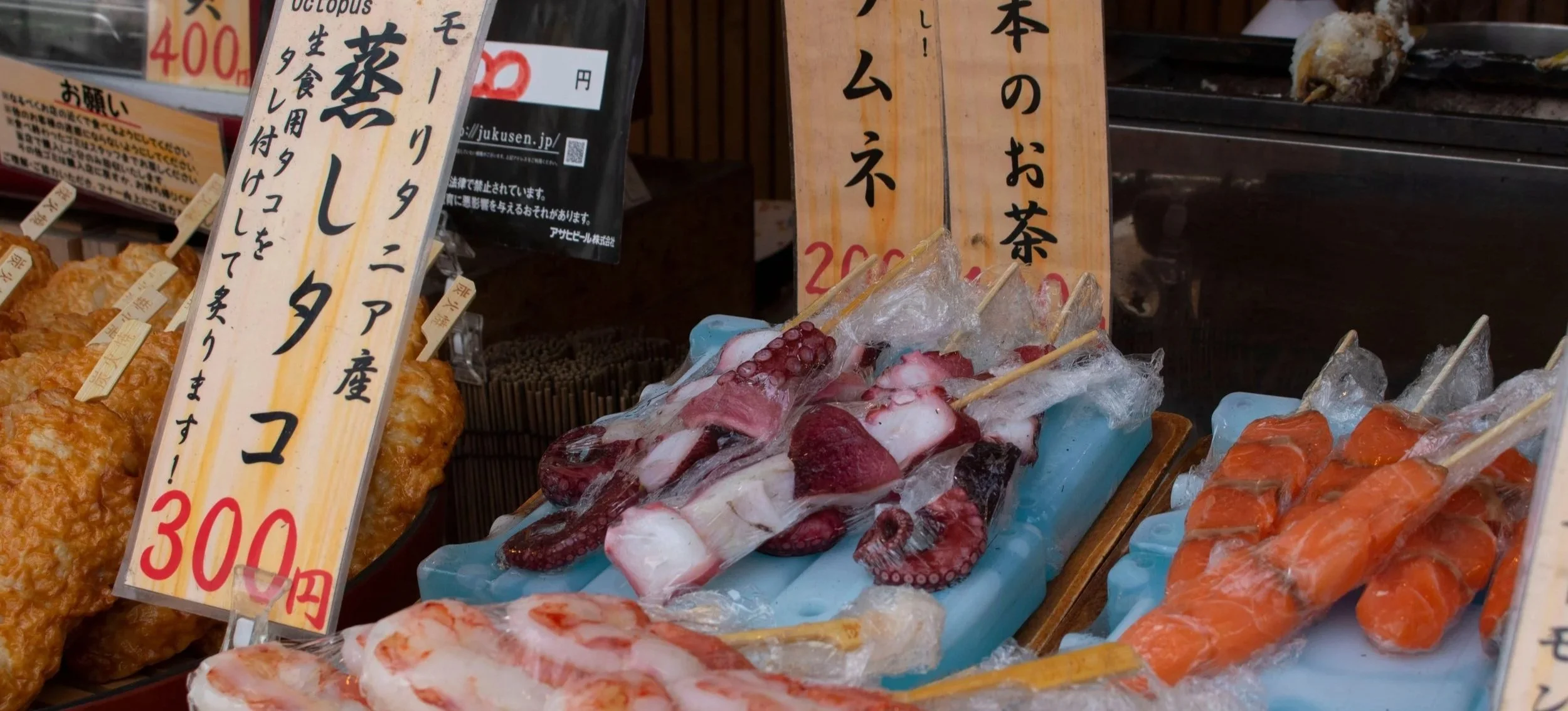
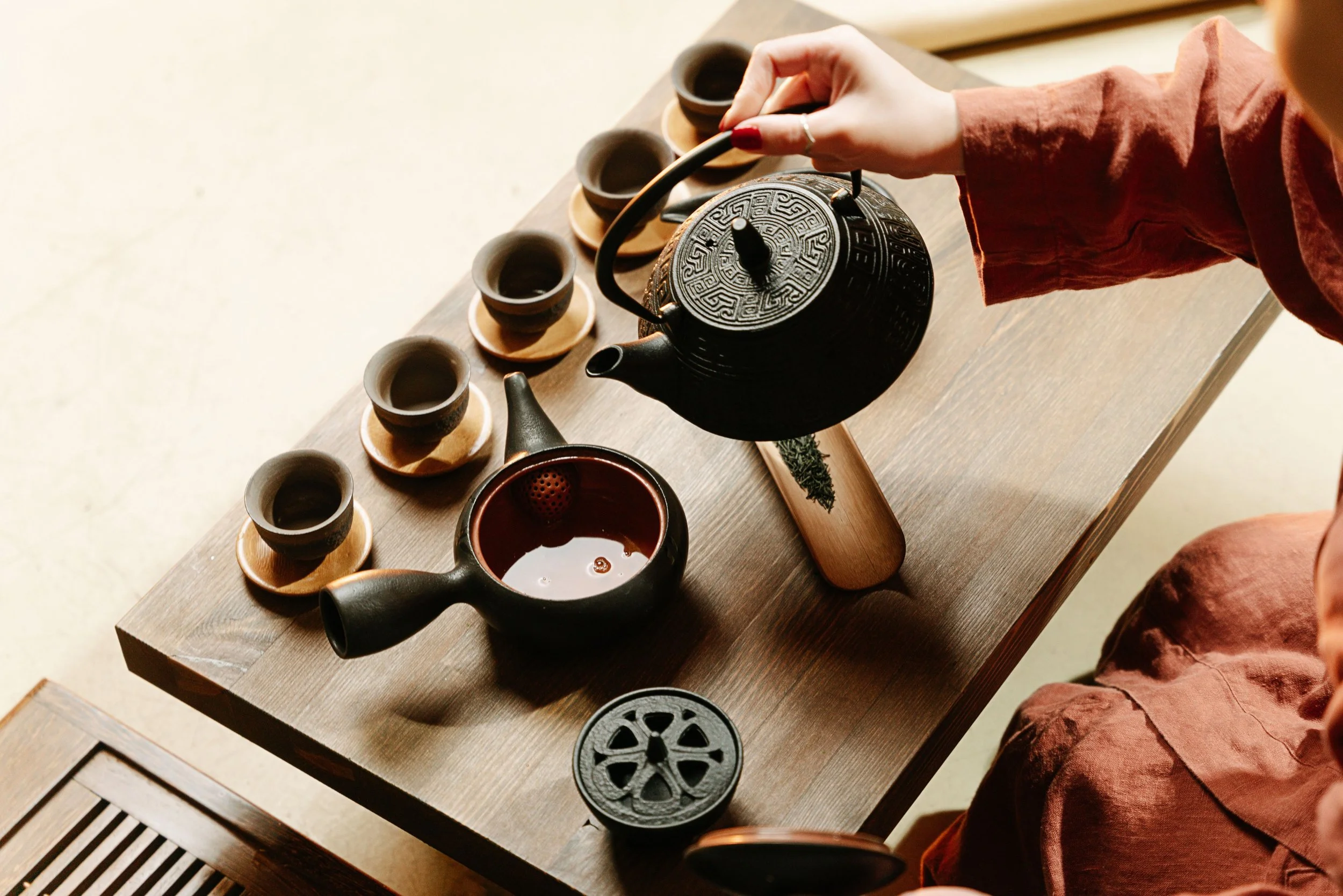
Japan has become an increasingly popular travel destination in recent years and for good reason. Known for its technological advancements, breathtaking landscapes, impressive food scenes, and more, travellers can feel immersed in the culture through everyday rituals. A traditional tea ceremony, for example, offers visitors a chance to experience centuries of history, philosophy, craftsmanship, and how mindfulness and hospitality are viewed here. Additionally, exploring Kyoto, for example, with a knowledgeable local guide, visiting historic temples, and learning about traditional Japanese arts can deepen your appreciation of Japan’s cultural heritage.
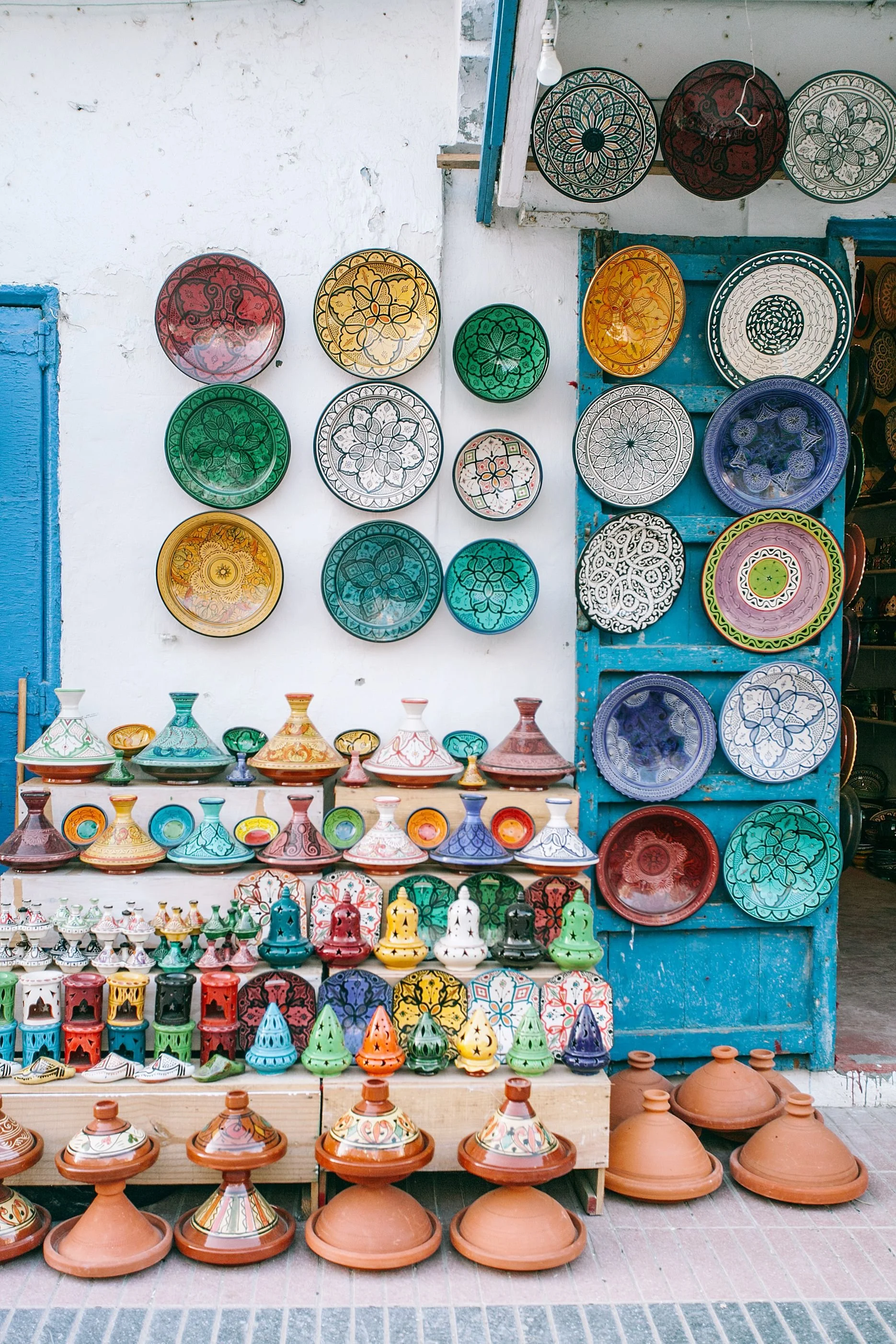
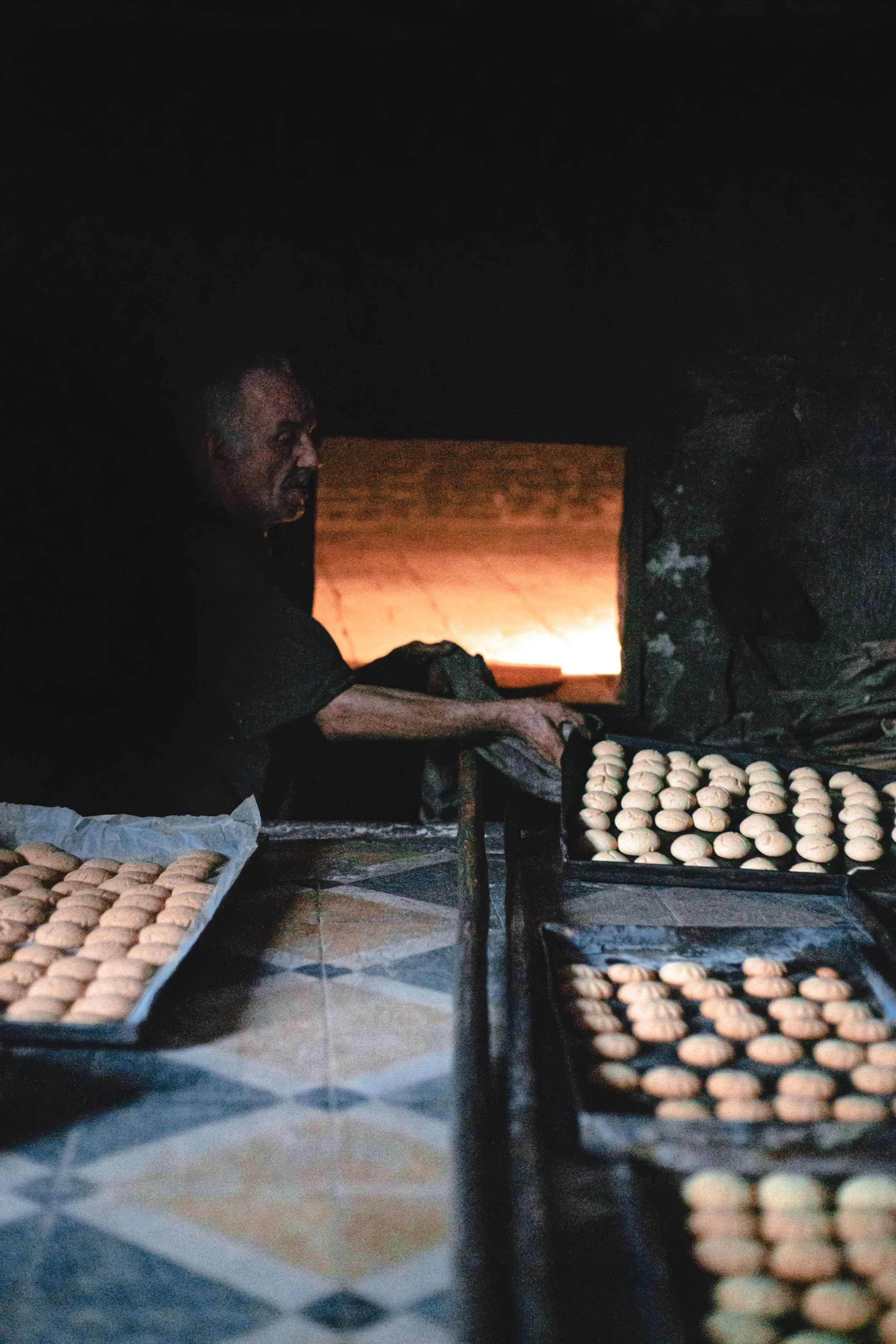
Morocco is known for its vibrant souks and medinas, filled with opportunities to discover the country's rich artistic and cultural heritage. Rather than just browsing the markets, take opportunities to learn from local artisans about traditional pottery, textiles, leatherwork, and other crafts to feel more like a traveller with the intention of gaining greater appreciation and understanding. A traditional cooking experience can also introduce you to how Moroccans view hospitality, regional ingredients, and the flavours that define their cuisine.
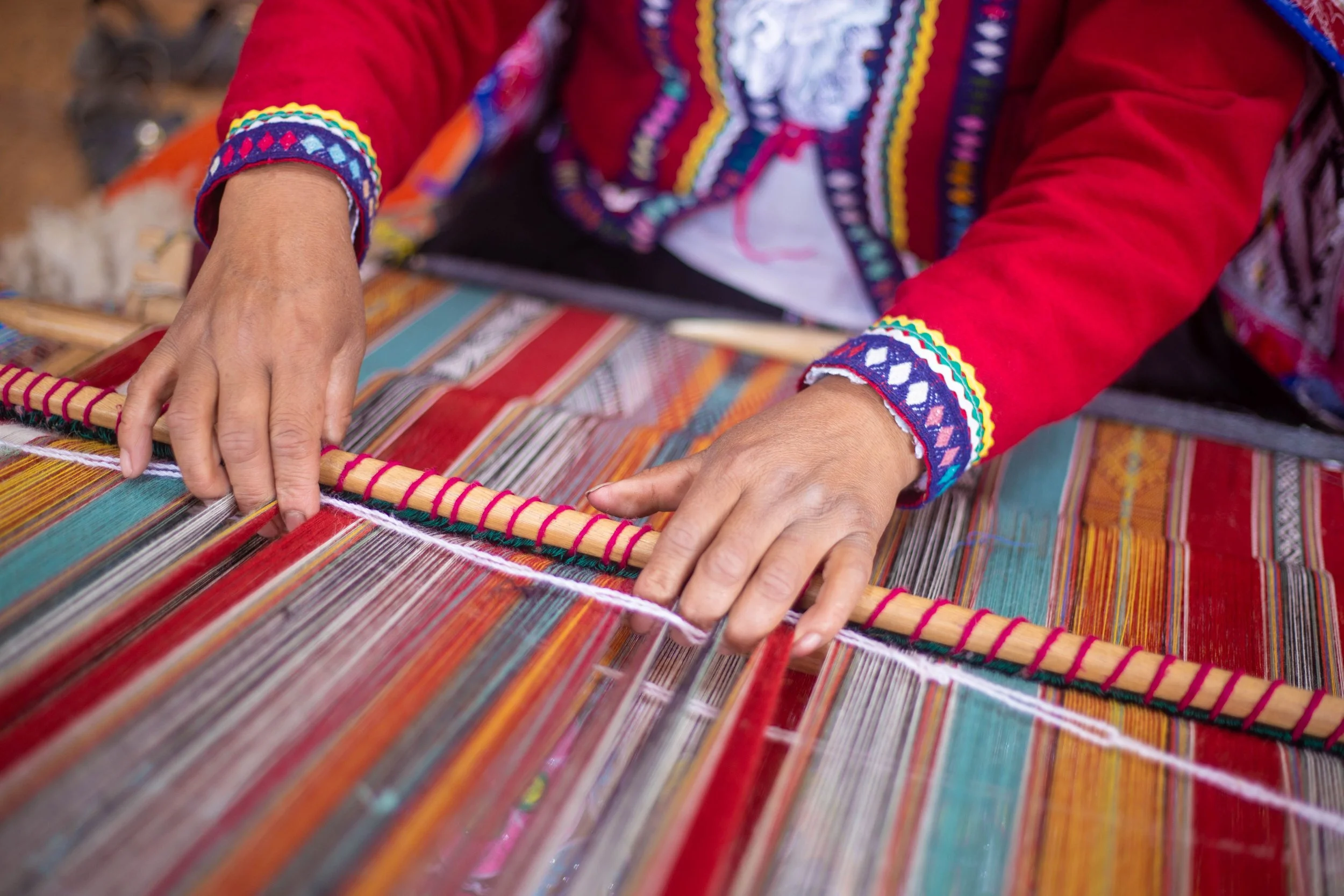
Visiting Peru offers a beautiful opportunity to explore the relationship between history, culture and the environment. In the Sacred Valley, guided visits to archaeological sites can bring Inca history to life. At the same time, encounters with local artisans can offer insight into traditional Andean weaving, textiles and craftsmanship. Travellers can also discover native ingredients and traditional agricultural practices, learning how geography and generations of knowledge have influenced Peru’s food culture.
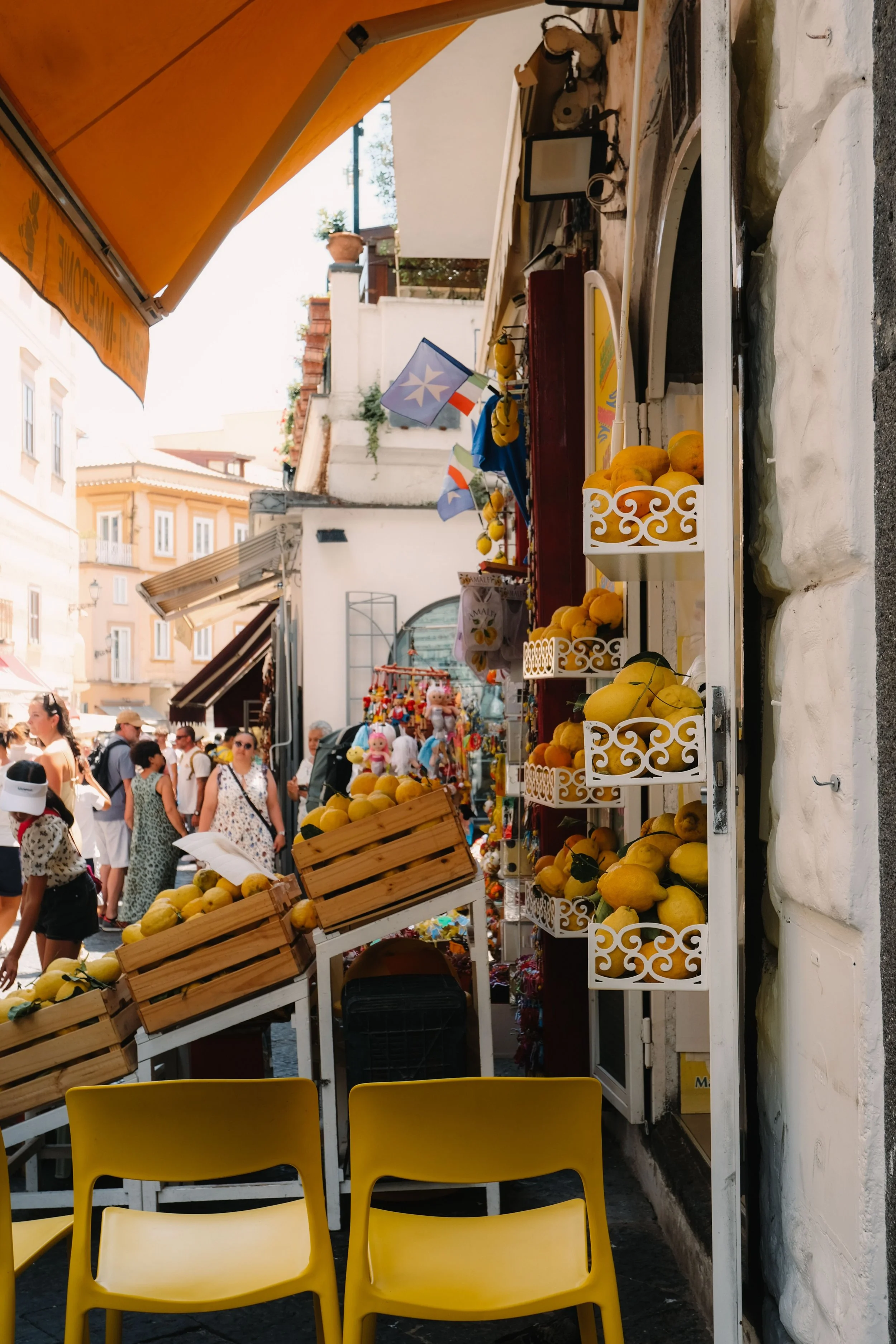
Italy is known for many things, from family-run vineyards overlooking stunning landscapes to cooking classes focused on regional recipes and meals that you sit and enjoy slowly, there is much to be discovered in this country. Each region has its own distinct identity, shaped by history and geography and exploring beyond the major cities to spend time in smaller towns allows travellers to discover these differences firsthand. These experiences encourage visitors to appreciate that the land holds stories, meaning, and significance that extend far beyond the beauty it’s known for.
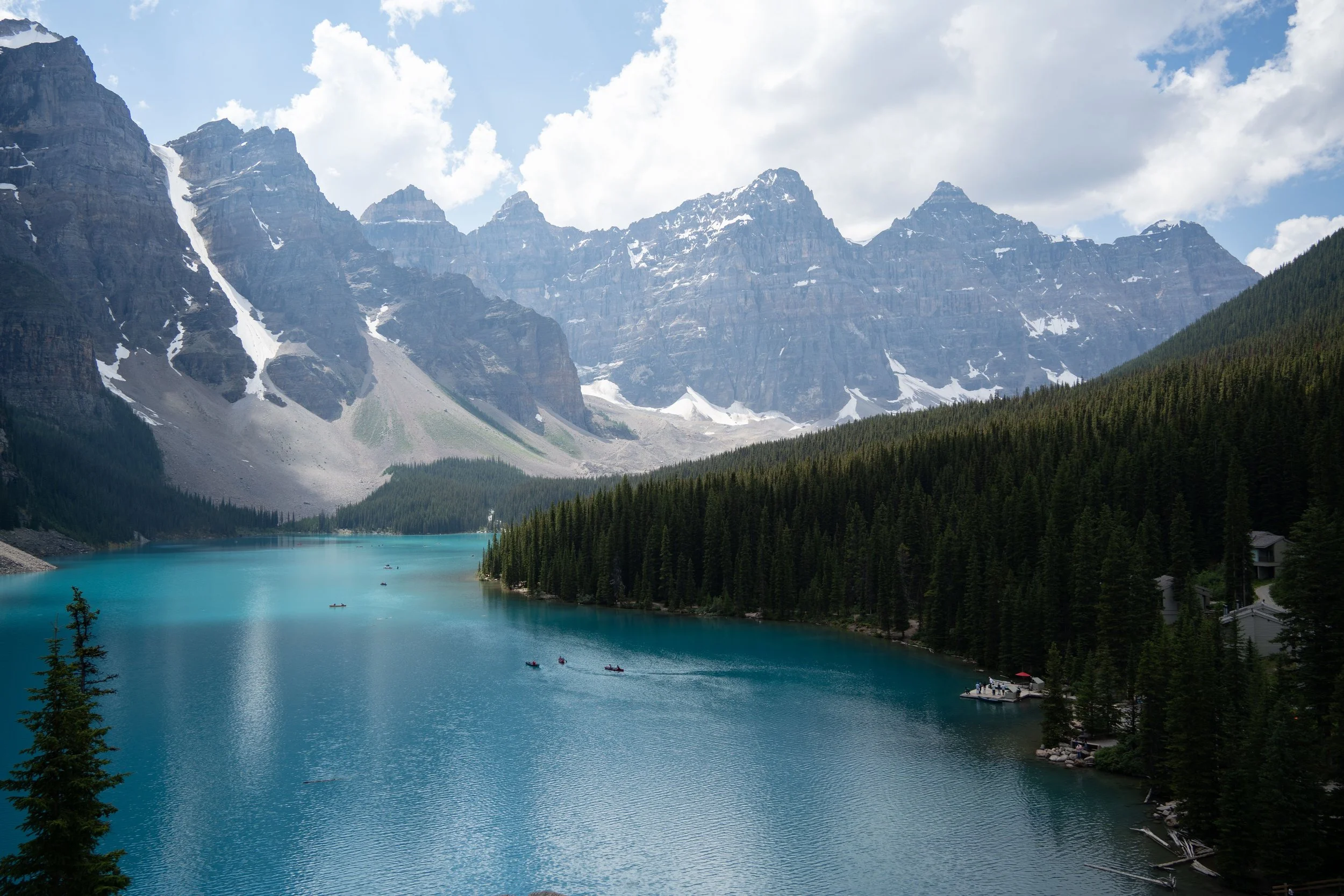
Canada. Now, as a Canadian, I like to speak about all that our country has to offer and how vast this land truly is. From breathtaking mountain views and incredible wildlife to provinces known for their local food, there is so much to explore in our own backyard. Often, we assume that because we live somewhere, we already know all there is to know about it. But do you really know the history of each province or territory? Do you know what each area is known for or what makes it uniquely its own? Travelling in our country with the intentionality we do elsewhere is just as important to making the most of it.
Travelling With Intention
Experiencing a destination more deeply certainly doesn’t mean giving up the comforts of a luxury experience. Rather, it simply means being more intentional about how a journey is designed. At Epona Travel Co, I work with clients to find what works best for them, taking into consideration what they hope to get out of the experience.
To me, a thoughtfully created itinerary considers more than where you'll stay and what you'll see. It also considers what you can gain from the experience, what you learn, who you meet, where you go and how you remain present through it all. Because when it comes down to it, one of the main reasons people come to me to assemble their next adventure is because they don’t have the time.
Time.
It’s arguably one of our most precious resources.
I love what I do because, for me, time spent planning for others to experience travel deeply is always time well spent.
It is also a reminder to soak in every moment and lead with the intentionality that lets us leave a place feeling the depth of having fully experienced a new part of the world. Because when we experience the depth of all life has to offer, we become more intentional in everything we do.

Carol Culp | Luxury Travel Advisor & Founder | Epona Travel Co. | 416-577-1010 | www.eponatravelco.com
Your next adventure starts here. Follow Epona Travel Co. on socials for daily travel inspiration, and sign up for our newsletter and blogs to receive insider tips, destination spotlights, and the latest in travel news delivered straight to your inbox.